
.png)

How Immigration Status Affects College Applications and Financial Aid

By: Jarbath Pena Law Group

For many families across the United States, the dream of a college education for their children is a cherished goal. It represents a path to opportunity, growth, and a brighter future. But for families navigating the U.S. immigration system, this journey can be filled with unique questions and concerns. The college application process, already a complex and often stressful experience, takes on another layer of complexity when immigration status is involved. Questions about eligibility, tuition costs, and financial aid can feel overwhelming.
You are not alone in this journey. Understanding how a student's immigration status impacts their educational opportunities is the first step toward building a successful strategy. It’s about knowing what doors are open and how to find the keys to unlock them. This guide will provide clear, practical information on how different immigration statuses can affect college applications and financial aid, so you can help your student move forward with confidence and hope.
Understanding the Key Players: Who Can Apply and for What?

A student's ability to apply to college and receive financial aid is directly tied to their immigration status. The rules vary significantly, so it is crucial to understand where your student fits.
U.S. Citizens and Lawful Permanent Residents (Green Card Holders)

Students who are U.S. citizens or Green Card holders have the widest range of options.
College Applications: They can apply to any college or university in the country without restriction.
Financial Aid: They are considered citizens or "eligible non-citizens" they will have access to federal financial aid. This includes Pell Grants, Federal Work-Study, and federal student loans. The first step is to complete the Free Application for Federal Student Aid (FAFSA).
In-State Tuition: They are generally eligible for lower in-state tuition rates at public universities in the state where they reside, provided they meet the state's residency requirements.
For these students, the process is straightforward. The primary focus will be on meeting academic requirements and financial aid deadlines.
DACA Recipients

Students with Deferred Action for Childhood Arrivals (DACA) status are in a unique position. They have legal presence but are not considered eligible non-citizens for federal aid purposes.
College Applications: DACA recipients can legally apply to and attend college in most states.
Financial Aid: They are not eligible for federal financial aid, including Pell Grants and federal loans. However, their options for other aid are growing. Many states have specific policies that allow DACA students to qualify for state-based financial aid and in-state tuition.
Scholarships: DACA students are often eligible for private scholarships, including many that are specifically designed for "DREAMers." Organizations like TheDream.US offer significant scholarship opportunities.
The rules for DACA students vary dramatically by state. It is essential to research the specific policies in your state of residence.
Undocumented Students
Undocumented students, including those who arrived as children but do not have DACA, face the most significant hurdles.
College Applications: There is no federal law preventing colleges from admitting undocumented students. Many universities, both public and private, accept applications from them.
Financial Aid: Like DACA recipients, undocumented students are not eligible for federal financial aid. Their access to state aid and in-state tuition is highly dependent on state law. A growing number of states have passed laws allowing eligible undocumented students who graduated from a high school in that state to pay in-state tuition. Some of these states also offer state financial aid.
Scholarships: Private scholarships are the most important source of funding for these students. Many community organizations and foundations offer scholarships that do not require U.S. citizenship or legal status.
International Students (F-1 Visa)
Students who come to the U.S. specifically to study will typically do so on an F-1 student visa.
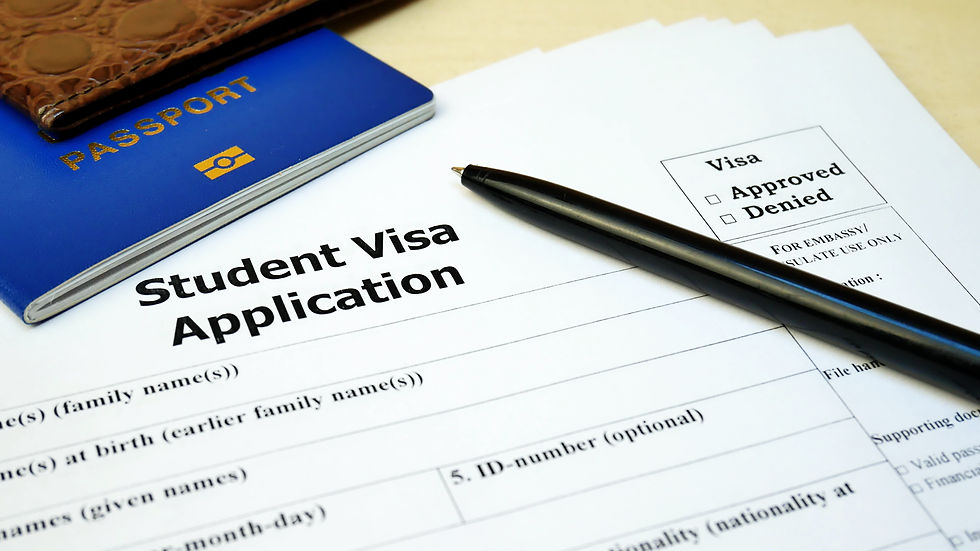
College Applications: They apply as international students, a process that often has different deadlines and requirements.
Financial Aid: F-1 students are not eligible for federal or state financial aid. They must prove they have sufficient funds to cover the full cost of their education before a visa will be issued.
Scholarships: Their primary source of aid comes directly from the universities themselves. Many schools offer scholarships for international students based on merit or other factors. Private scholarships may also be available.
Navigating the Financial Aid Landscape
For most families, financing a college education is the biggest challenge. Here is a breakdown of the key funding sources and how they relate to immigration status.
The FAFSA: The Gateway to Federal Aid

The FAFSA is the key to all federal aid. Only U.S. citizens and eligible non-citizens (like Green Card holders, refugees, and asylees) can complete it as students.
A common point of confusion arises when students are U.S. citizens but their parents are undocumented. In this case, the student is fully eligible for federal aid. The parents should enter "000-00-0000" in the Social Security number field on the FAFSA and can use an Individual Taxpayer Identification Number (ITIN) if they have one for financial reporting. The parents' immigration status does not impact the student's eligibility.
In-State Tuition: A Critical Cost-Saver
Paying in-state tuition at a public university can save a family tens of thousands of dollars per year. Eligibility is determined by state law. While U.S. citizens and Green Card holders can typically qualify after living in a state for a set period (usually one year), access for DACA and undocumented students varies. States like California, Texas, and Florida have specific policies that may allow certain non-citizen students to qualify.
Scholarships and Private Funding

For students who do not qualify for federal aid, scholarships are a lifeline. The search should be broad and persistent.
University-Specific Scholarships: Many colleges offer institutional aid regardless of immigration status.
Private Scholarships: Look for scholarships from organizations that support immigrant students. Websites like Immigrants Rising and My Undocumented Life maintain lists of available scholarships.
Community Organizations: Local churches, civic groups, and cultural organizations often provide small scholarships to students in their community.
How We Can Help You Plan for the Future

Navigating the intersection of immigration law and education policy can be incredibly complex. The rules are constantly changing, and what is true in one state may not be true in another. Making a mistake or missing an opportunity can have a lasting impact on your child's future. This is where having a knowledgeable guide can make all the difference.
At Jarbath Pena Law Group, we understand the hopes and anxieties that families face. We see our role as more than just legal advisors; we are your supportive partners, here to provide the clarity and guidance you need to build a secure future.
We Clarify Your Options: We can help you understand how your specific immigration status impacts your child's educational opportunities and financial aid eligibility.
We Guide You Through Processes: Whether it's adjusting a student's status to a Green Card to unlock federal aid or understanding the documentation needed for in-state tuition, we can help ensure your paperwork is correct.
We Offer Strategic Advice: We provide insights into state-specific policies and help you develop a long-term strategy that aligns with your family's educational and immigration goals.
We Provide Peace of Mind: Knowing that you have an experienced team on your side allows you to focus on supporting your student's academic journey, confident that you are on the right path.
Your child’s dream of a college education is worth fighting for. Let us help you navigate the path forward.
Take the first step toward securing your child's educational future. Contact the Jarbath Pena Law Group today at 305-615-1005 or visit our website at www.jp-lawgroup.com to schedule a consultation.


Comments