
.png)

Marriage-Based Green Cards: What USCIS Looks For

By Jarbath Pena Law Group
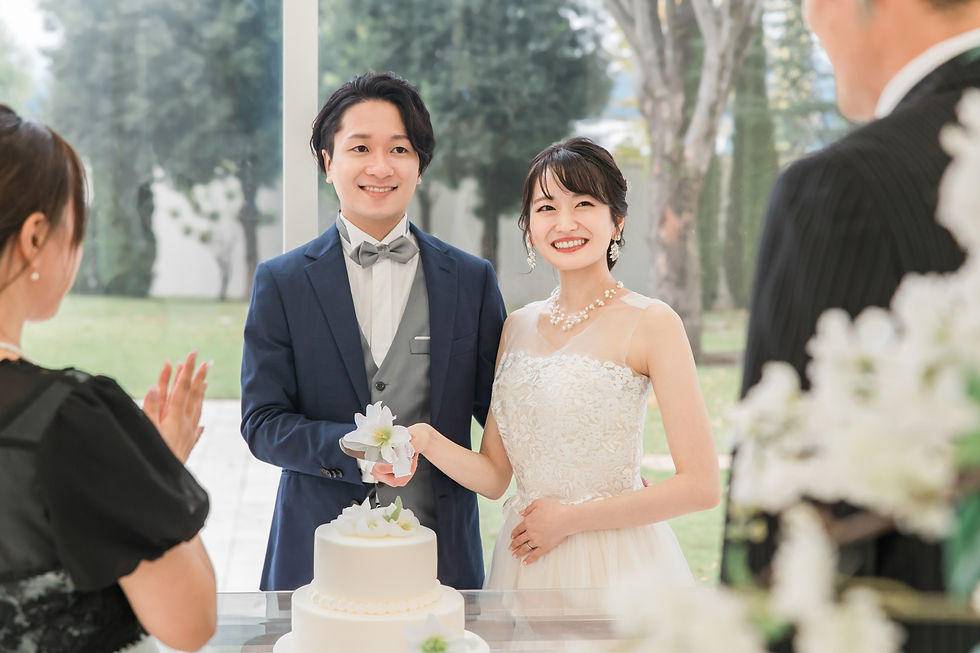
Finding the person you want to spend the rest of your life with is a beautiful milestone. For international couples, however, the phrase "happily ever after" often comes with a side of paperwork. Navigating the marriage-based green card process can feel like a daunting maze of forms, interviews, and scrutiny.
If you are feeling overwhelmed, take a deep breath. You are not alone.
The United States Citizenship and Immigration Services (USCIS) has a specific job: to ensure that marriages involving foreign nationals are genuine and not just for the purpose of obtaining immigration benefits. While the process is rigorous, understanding exactly what officers are looking for can turn your anxiety into confidence.
This guide breaks down the marriage-based green card process, explains how to prove your relationship is the real deal, and highlights common pitfalls to avoid.
The Core Requirement: A "Bona Fide" Marriage

At the heart of every marriage-based green card application is one simple question: Is this marriage bona fide?
In legal terms, a bona fide marriage is one entered into in good faith. This means you married your spouse because you love them and intend to build a life together, not just to get a Green Card. USCIS officers are trained to look past the marriage certificate to see the reality of your relationship. They want to see that your lives are intertwined financially, socially, and emotionally.
Think of it this way: A marriage certificate proves you had a wedding. The evidence you provide proves you have a marriage.
Proving Authenticity: The Evidence You Need

USCIS doesn't just take your word for it. You need to back up your claim with tangible proof. Officers generally look for "commingling of assets and liabilities," which is a fancy way of asking, "Do you share your money and your debts?"
Here are the most powerful types of evidence you can provide to show your lives are merged.
1. Financial Documentation
This is often the strongest evidence. It shows you trust each other with your financial security.
Joint Bank Accounts: Statements showing both names, active use, and regular deposits/withdrawals for shared expenses.
Tax Returns: Filing taxes jointly is a major indicator of a shared life.
Leases or Mortgages: Documents showing both spouses live at the same address and share responsibility for housing.
Utility Bills: Gas, electric, or water bills in both names.
Insurance Policies: Health, life, or auto insurance policies listing your spouse as a beneficiary or covered individual.
2. Proof of Cohabitation
USCIS expects married couples to live together. Aside from leases, you can prove this with:
Driver’s licenses showing the same address.
Mail addressed to both of you at the same home.
Affidavits from landlords or neighbors.
3. Life Experiences and "Soft" Evidence
While financial documents are crucial, the human side of your relationship matters too.
Photos: Candid shots from different times and places. Wedding photos are great, but pictures of you two grocery shopping, visiting family, or on vacation are often more telling.
Communication Logs: If you spent time apart, logs of text messages, emails, or call history can show sustained contact.
Affidavits: Letters from friends and family who know you as a couple and can attest to the genuineness of your relationship.
Trips: Itineraries or boarding passes from trips taken together.
The Interview: The Final Test

If your paperwork checks out, the next major step is the interview. This is where an officer meets you both in person (usually) to gauge your chemistry and consistency.
They aren't looking for perfection; they are looking for truth. Real couples interrupt each other, laugh at inside jokes, and sometimes disagree on small details like who cooks dinner more often.
However, major discrepancies can cause problems. If one spouse says you met at a coffee shop and the other says you met at a library, that’s a red flag. Officers may separate couples and ask identical questions to see if the answers match. These questions can range from "What side of the bed do you sleep on?" to "When is your mother-in-law's birthday?"
Common Red Flags (and How to Avoid Them)

USCIS officers see thousands of applications, so they have developed a keen eye for suspicious patterns. Being aware of these "red flags" can help you prepare a stronger case.
Large Age Differences: While love knows no age, significant age gaps can invite extra scrutiny. Be prepared to explain your bond and shared interests.
Language Barriers: If you and your spouse do not speak a common language fluently, officers will wonder how you communicate and build a deep relationship.
Short Courtships: Meeting and marrying very quickly can look suspicious. You'll need to provide extra evidence of why you moved so fast.
Lack of Shared History: If you have no photos with family or friends, or if your families don't know about the marriage, USCIS may question the legitimacy of the union.
Inconsistent Addresses: If you are married but living apart, you must have a compelling reason (like school or work) and proof that you visit each other frequently.
Why Professional Guidance Matters

It is easy to think, "Our marriage is real, so we have nothing to worry about." While the truth is on your side, the bureaucracy doesn't know you personally. A single missing document, a misinterpreted question on a form, or a nervous answer during an interview can lead to delays or even a denial.
Immigration laws are complex and constantly changing. Having an expert review your case ensures that you are presenting your relationship in the clearest, most compelling light possible.
At Jarbath Peña Law Group, we specialize in helping couples navigate this exact journey. We understand that your case isn't just a file number—it's your future together. We help you gather the right evidence, prepare for your interview, and handle any unexpected bumps in the road.
Love may be simple, but immigration law is not. Let us handle the legal details so you can focus on building your life together.
Ready to start your green card journey? Contact Jarbath Peña Law Group today at 305-615-1005 for a consultation.


Comments